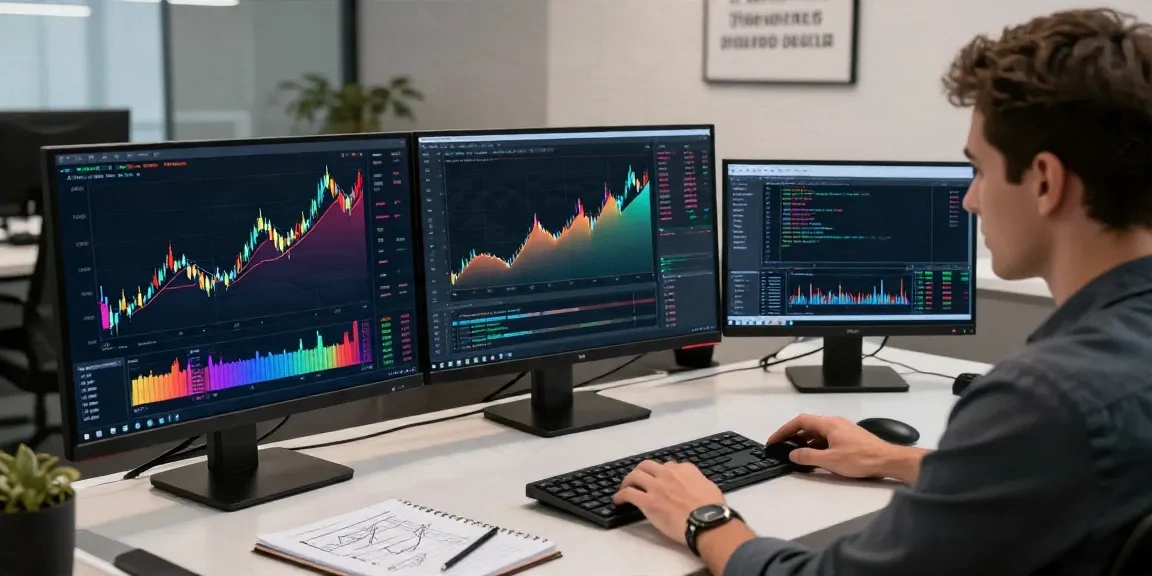
Understanding Forex Historical Data
In the rapidly evolving landscape of financial technology, leveraging historical data is paramount for traders seeking to enhance their strategies. Blockchain innovations have not only transformed the way transactions are processed but have also ushered in a new era of data accessibility. The capacity to download comprehensive historical data, including forex market trends, allows traders to make informed decisions based on empirical evidence. For those delving into the realm of currency trading, 外汇历史数据下载 simplifies access to essential market information.
What is Forex Historical Data?
Forex historical data refers to the price movements of currency pairs over a specified period, typically represented through various timeframes such as minute, hourly, daily, weekly, or monthly formats. This data includes critical elements known as OHLCV, which stand for Open, High, Low, Close, and Volume. Understanding these components is fundamental for traders as they analyze past performance to predict future currency movements. The accuracy and reliability of this data are crucial, as even minor discrepancies can significantly affect trading strategies.
Importance of Historical Data for Traders
Historical data serves multiple purposes in forex trading. First and foremost, it allows traders to backtest their strategies against real market movements, assessing how trades would have performed under various conditions. By analyzing historical data, traders can identify patterns, trends, and behaviors in the market, enhancing their decision-making process. Furthermore, it aids in developing models for forecasting future price movements based on historical trends.
How to Access and Download Forex Data
Accessing forex historical data typically requires the use of APIs that provide streamlined access to vast datasets without the need for complex web scraping. Modern solutions like the ones offered by various fintech platforms enable users to download data in user-friendly formats such as CSV or Parquet. This ease of access is critical for quantitative traders who rely on large datasets for their algorithmic trading strategies.
Analysis Techniques for Forex Trading
Technical Analysis Basics for Forex
Technical analysis involves the evaluation of currency pairs based on historical price data and chart patterns. Traders utilize tools such as charts, trend lines, and various indicators to predict future price movements. Understanding support and resistance levels, moving averages, and momentum indicators is essential for effective technical analysis. This discipline relies heavily on historical data to validate signals generated by various technical indicators.
Using OHLCV Data in Trading Strategies
Utilizing OHLCV data is foundational to most forex trading strategies. For example, a trader may analyze the closing price of a currency pair alongside its volume to make informed predictions about potential price increases or declines. Advanced techniques, such as candlestick patterns and price action trading, heavily depend on this pivotal data. By mastering the implications of OHLCV data, traders can develop robust strategies that adapt to market fluctuations.
Common Technical Indicators for Forex Trading
Some of the most widely used technical indicators in forex trading include the Relative Strength Index (RSI), Moving Average Convergence Divergence (MACD), and Bollinger Bands. Each of these indicators provides insights into market conditions, helping traders make decisions based on whether a currency pair is overbought or oversold. Incorporating these indicators into trading strategies can enhance prediction accuracy and improve profitability.
Secure Data Management Practices
Setting Up Secure Access to Data APIs
Securing access to data APIs is critical in protecting sensitive financial information. Traders should utilize API keys, which are unique identifiers that allow access to their data without compromising security. Additionally, implementing strong authentication methods, such as OAuth2, enhances the security of data transactions, ensuring that only authorized users can access sensitive information.
Protecting Your Trading Data
It is essential to safeguard trading data against unauthorized access. Regularly updating software and employing strong passwords and two-factor authentication can significantly reduce risks. Utilizing reputable services that provide encryption for data transmission also safeguards against potential cyber threats, ensuring that sensitive information remains private.
Best Practices for Key Management
Key management should always involve storing API keys and private keys in secure environments, away from the public domain. Options such as hardware wallets or secure cloud storage solutions are recommended. Regularly auditing access logs can also help identify unauthorized access attempts, empowering traders to take corrective action swiftly.
Leveraging Historical Data for Strategy Development
Backtesting Strategies with Historical Data
Backtesting is a crucial process wherein traders assess the viability of their strategies using historical data. This involves running simulations based on past price fluctuations and trades, allowing them to quantify potential outcomes without risking actual capital. It is vital that traders use extensive and high-quality data to ensure the reliability of backtest results.
Using Data for Forecasting and Predictions
Forecasting future price movements based on historical data is a blend of science and art. Traders employ statistical methods such as regression analysis and machine learning models to analyze historical trends. By identifying patterns in the data, these models can forecast potential future movements, aiding traders in making educated decisions based on empirical analysis.
Common Pitfalls in Data Analysis
One common pitfall in data analysis is overfitting, where a model is too closely tailored to historical data, rendering it ineffective in predicting future movements. Traders must balance model complexity with performance, ensuring that their strategies remain adaptable to changing market conditions. Additionally, failing to incorporate transaction costs and slippage into backtesting results can significantly skew performance assessments.
Future of Forex Trading and Historical Data
Innovations in Data Technology
As technology continues to evolve, the methodologies for accessing and analyzing historical data are becoming increasingly sophisticated. Innovations such as artificial intelligence and machine learning are paving the way for smarter trading algorithms that can process vast datasets far more efficiently. These technologies enhance predictive capabilities, allowing traders to refine their strategies based on nuanced analyses of historical data.
The Role of AI in Forex Trading Analysis
Artificial intelligence plays a transformative role in forex trading, especially in the analysis of historical data. AI-driven algorithms can recognize patterns and anomalies that traditional analytical methods may miss, providing traders with a competitive edge. By harnessing AI in their analysis, traders can adapt more quickly to market changes and enhance their overall trading performance.
Regulatory Changes Impacting Data Usage in 2026
The regulatory landscape is continuously evolving, especially as it pertains to the use of financial data. In 2026, regulatory oversight is expected to increase, with entities like the SEC and CFTC implementing stricter compliance measures relating to historical data usage in trading. Understanding these regulations is critical for traders to ensure compliance and avoid any potential infractions.