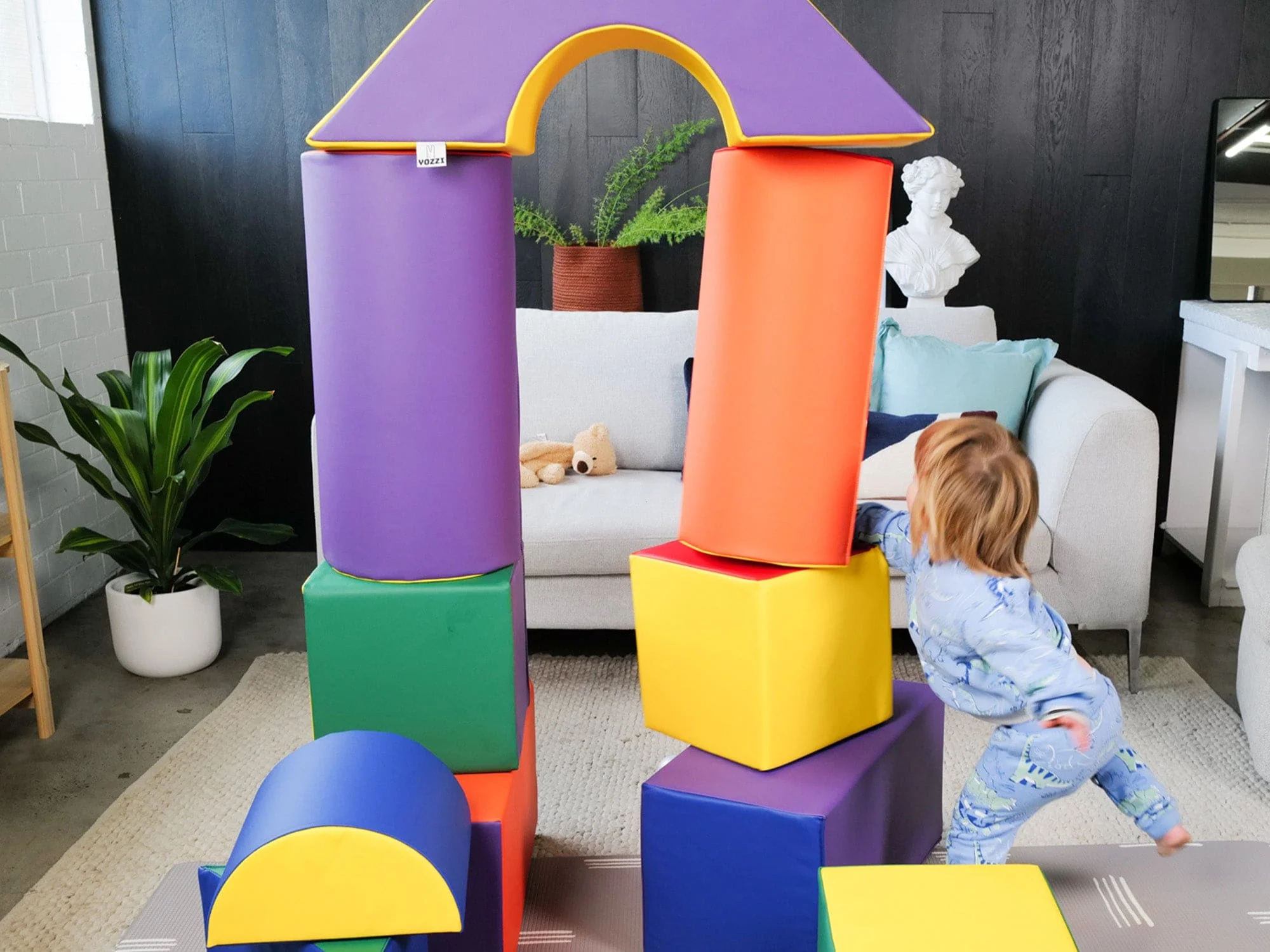
1. Introduction to Giant Building Blocks
What are Giant Building Blocks?
Giant building blocks are oversized, lightweight, and often brightly colored construction toys designed specifically for children. They can be constructed from various materials, including foam, plastic, or durable cardboard, making them versatile for both indoor and outdoor play. Their larger size makes them easy for little hands to manipulate, while providing an exciting opportunity for imaginative play. They stimulate creativity and problem-solving as children engage in building different structures, from towers to castles.
Benefits of Playing with Building Blocks
Playing with giant building blocks provides numerous developmental benefits for children. These toys enhance fine motor skills as kids grasp, stack, and manipulate the blocks. Building also promotes cognitive skills such as spatial awareness, critical thinking, and problem-solving. Moreover, the act of constructing various structures encourages creativity and imaginative play. Socially, children learn to collaborate and communicate as they work together on block-building projects. Overall, the experience can support holistic child development in a fun and engaging way.
Age Appropriateness for Different Block Classes
When it comes to age appropriateness, giant building blocks cater to a wide range of children. Typically, blocks can be introduced to toddlers as young as two years old. These blocks are designed with safety features in mind, ensuring that they are large enough to prevent choking hazards. For preschool aged children (ages 3–5), they serve as a tool for exploring more complex building concepts and socialization skills. Older children (ages 6 and up) can engage in more intricate constructions, challenging their creativity and engineering skills. Families and educators should always consider individual readiness and common safety features when selecting block sets.
2. Enhancing Imagination and Creativity
Encouraging Free Play with Open-Ended Block Sets
Open-ended block sets inspire children to explore their creativity without restrictions. Rather than following instructions for a predefined model, children are encouraged to build whatever their imagination conjures. This form of free play helps to develop innovative thinking, as kids learn to adapt and revise their designs while experimenting with balance and structure. Providing a variety of shapes and sizes in a block set can further expand creative possibilities by enabling children to think outside the box and create unique structures.
Incorporating Storytelling with Building Blocks
Giant building blocks can also serve as a powerful storytelling medium. Children can create their own worlds, envisioning castles, cities, or alien landscapes as they stack and build. By integrating storytelling into play, children engage in narrative thinking—a critical component of literacy development. Encouraging kids to narrate their play can stimulate their language skills and foster a greater understanding of story structure. Adults can enhance these play experiences by asking open-ended questions that guide children into deeper exploration of their imaginative scenarios.
Artistic Expression through Structure Designs
Building blocks can be seen as a canvas for artistic expression. When children create vibrant structures with blocks, they are not just building; they are crafting art. This process allows them to explore color, balance, and symmetry while engaging with the physical attributes of the blocks. Organizations have used block play in art education, noting that it enhances visual-spatial skills. Offering materials such as washable markers or stickers provides opportunities for kids to personalize their creations further. Such artistic engagement not only promotes creativity but also boosts self-esteem as children take pride in their work.
3. Safety Considerations and Best Practices
Choosing Non-Toxic Materials for Blocks
When choosing giant building blocks, it is imperative to prioritize safety by selecting toys made from non-toxic materials. Many reputable companies offer blocks that meet stringent safety guidelines, ensuring that no harmful chemicals are present in the manufacturing process. Always look for certifications that affirm the product's safety standards, which can mitigate concerns about exposure to toxins. Reading reviews and checking materials can guide families in making safe purchasing decisions.
Setting Up a Safe Play Environment
Creating a safe play environment goes beyond selecting quality materials. It's crucial to designate a specific area for block play, ideally on a soft surface like a carpet or foam mat to cushion potential falls. Ensuring that the space is free from hazards such as sharp objects, heavy furniture, or breakable items will help prevent accidents. Additionally, considering the size and age of your child can dictate how much space is needed for safe exploration. A clutter-free zone promotes both creativity and safety during playtime.
Supervising Kids During Playtime
Supervision is a key element in ensuring that play remains safe and enjoyable. While giant building blocks are designed with childhood safety in mind, active supervision helps identify and mitigate any risks associated with play. Adults should take an engaged role during building sessions, providing guidance when necessary while allowing children the freedom to explore independently. This oversight not only enhances safety but also encourages social interaction and cooperative play among peers, enriching the overall play experience.
4. Engaging Activities and Games
Fun Team Building Activities with Blocks
Team building activities using giant building blocks can provide exciting group experiences. One great activity involves setting a construction challenge, where teams race to build the tallest tower or the most creative structure within a time frame. This cultivates teamwork as children brainstorm, delegate tasks, and communicate effectively. Activities that promote collaboration can strengthen friendships and enhance social skills, all while enjoying productive playtime.
Educational Games to Enhance Learning
Giant building blocks can be integrated into educational games to boost learning experiences. For instance, children can practice math skills by counting blocks as they build or compare the heights and widths of their structures. Incorporating science concepts through physics—like gravity and balance—can also be engaging. Utilizing blocks for language development is another valuable approach; children can build letters or shapes that correspond with sounds, fostering early literacy skills in a tactile manner. Educational approach transforms play into an enriching learning experience.
Creating Themed Play Scenarios
Themed play scenarios can take block play to new creative heights. For example, creating a pirate ship with blocks allows children to combine storytelling with hands-on building, leading to not just a structure but a whole adventure. Themes like zoo construction, fantasy lands, or space explorations encourage imaginative thinking as children develop narratives around their structures. Such scenarios foster collaborative play and can be incorporated into lessons on cultures, ecosystems, or history. The flexibility of building blocks can enrich the educational journey.
5. FAQs about Giant Building Blocks
What age group is best for giant building blocks?
Giant building blocks are suitable for children aged 2 years and up, offering developmental benefits to various age groups.
Are giant blocks safe for indoor play?
Yes, as long as they are made from non-toxic materials and are used in a supervised environment, they are safe.
How can building blocks enhance learning?
They promote fine motor skills, spatial awareness, and creativity, making learning fun through play.
Can I use giant blocks outdoors?
Yes, they can be used outdoors, but should be stored inside to maintain quality and prevent weather damage.
What should I look for when buying building blocks?
Consider the material, size, safety features, and educational value when selecting building blocks for your child.
Giant building blocks represent not just toys, but tools for learning and development. With the freedom to create, explore, and collaborate, children engage in enriching play that nurtures their imagination and builds essential life skills. If you’re interested in expanding your knowledge further about the benefits and creative uses of giant building blocks for kids, discover more about this exciting play experience.