Understanding Car Paint Protection
Car paint is constantly exposed to various environmental factors, such as UV rays, dirt, and harsh weather conditions. Protecting your vehicle's paint is crucial not only for aesthetics but also for maintaining its value. A well-maintained finish can significantly enhance the resale value of your car. With methods like how to protect car paint after washing, you can safeguard your investment and keep your car looking pristine for years.
Why Car Paint Needs Protection
Car paint serves as the first line of defense against the elements. Over time, factors such as bird droppings, tree sap, and industrial fallout can cause damage that leads to rust and deterioration. Furthermore, UV rays can fade the paint and make it less vibrant. Regular protection methods help maintain the integrity and appearance of the paint while preserving overall vehicle value.
The Benefits of Car Waxing
Waxing is one of the most effective ways to protect your car’s paint. It forms a barrier against harsh elements and offers several advantages:
- Shiny Finish: Wax provides a glossy finish that enhances the look of your car.
- UV Protection: High-quality wax can protect against UV rays, preventing fading.
- Hydrophobic Properties: Wax helps water bead up and roll off, reducing the risk of water spots.
- Cleansing Aid: Wax can make future washes easier, as contaminants are less likely to adhere.
Choosing the Right Products
Selection of the right wax or paint protection product is vital. Look for products that match your car's finish type—be it clear coat or single-stage paint. Additionally, consider the ease of application and durability. Options include natural carnauba wax, synthetic sealants, and ceramic coatings. For optimal results, research and read reviews to find products that have proven effective.
Step-by-Step Guide to Protecting Car Paint After Washing
Preparing Your Car for Protection
The preparation stage is crucial for effective paint protection. Begin by washing your car thoroughly using a pH-neutral car shampoo to eliminate dirt and contaminants. Avoid using dish soap, as it can strip natural oils and protective coatings. Rinse the vehicle well and dry it using soft microfiber towels to minimize scratches.
Applying Wax: Best Practices
Once the car is clean and dry, follow these best practices for applying wax:
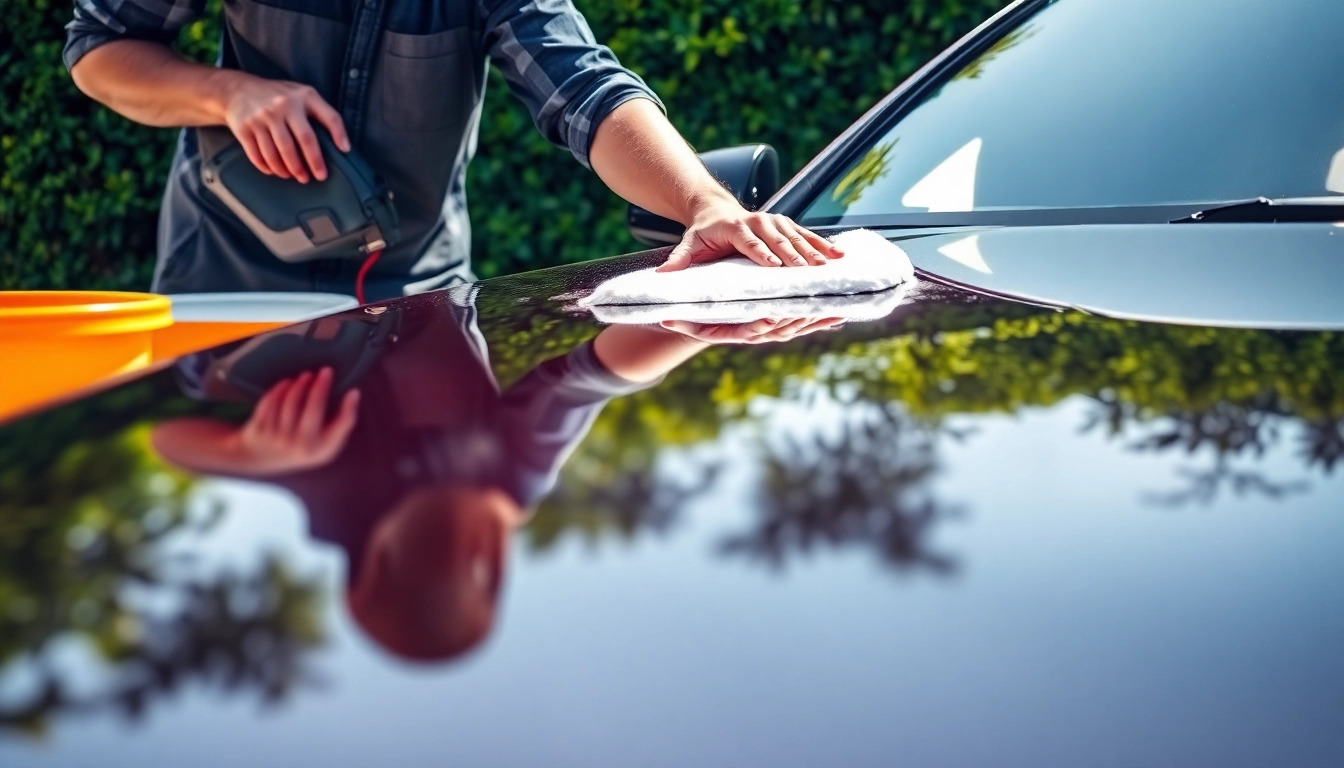
- Use a Clean Applicator: Utilize a clean microfiber applicator pad to spread the wax evenly.
- Work in Sections: Apply wax in small sections, ensuring even coverage and preventing drying out.
- Allow to Haze: Let the wax haze, which typically takes 5 to 10 minutes, as it ensures proper bonding with the paint.
- Buff Off: Use a separate microfiber towel to buff the wax until a glossy finish is achieved.
For sustained protection, repeat waxing every three to six months, depending on environmental conditions.
Alternative Protection Methods
While waxing is effective, other methods offer varying levels of protection:
- Ceramic Coating: Provides long-lasting protection and is resistant to scratches and UV damage.
- Sealants: Synthetic products that bond to the paint and offer durability often lasting six months or more.
- Paint Protection Film (PPF): A clear protective film applied directly to the painted surfaces, offering robust shield against chips and scratches.
Common Mistakes to Avoid When Protecting Car Paint
Improper Cleaning Techniques
Avoid using household cleaning products or abrasive sponges when washing your car. Use dedicated automotive products and techniques such as the two-bucket method to ensure safe cleaning. This method utilizes one bucket for soapy water and another for rinsing the sponge, greatly reducing swirl marks and scratches.
Using Inadequate Products
Not all products are created equal. Opt for high-quality waxes and sealants suitable for automotive finishes. Be wary of cheap products with poor formulation that may not offer adequate protection or could even harm the paint's surface.
Neglecting Regular Maintenance
It's easy to overlook maintenance, but regular checks and upkeep are essential. Schedule bi-annual checks of your vehicle's paint condition, and always reapply protective layers as needed to combat wear and tear.
Advanced Protection Techniques
Exploring Ceramic Coatings
Ceramic coatings provide an advanced level of protection due to their chemical bonding with the automotive paint. They are known for their hydrophobic properties and resistance to UV light and chemicals. While they require more initial investment, their longevity makes them a worthwhile option for many car owners.
Using Paint Sealants
Paint sealants are synthetic products that offer robust protection, often lasting up to six months or longer. They create a protective layer similar to wax but are more durable. Sealants are ideal for those seeking long-term protection with less frequent application.
Benefits of Paint Protection Film
PPF is a transparent layer applied to high-impact areas of the vehicle, such as the front bumper and hood. Its benefits include exceptional scratch and stone chip protection. Additionally, PPF can help maintain the car's aesthetic appeal, eliminating discoloration or fading.
FAQs About How to Protect Car Paint After Washing
What is the best way to protect car paint?
The best way to protect car paint is through regular waxing or sealing with high-quality products suitable for your vehicle's finish.
How often should I wax my car?
For optimal protection, car wax should be reapplied every three to six months, depending on exposure to environmental conditions and wear.
Can I use dish soap to wash my car?
No, dish soap can strip away wax and sealants. Use a pH-neutral car shampoo that’s specially formulated for automotive cleaning.
How does UV damage affect my car's paint?
UV rays can fade the paint color, leading to oxidation and deterioration over time. Proper protective measures can mitigate these effects.
Is there a way to enhance wax durability?
To enhance wax durability, apply a layer of paint sealant over the wax. This combination extends protection and maintains shine longer.