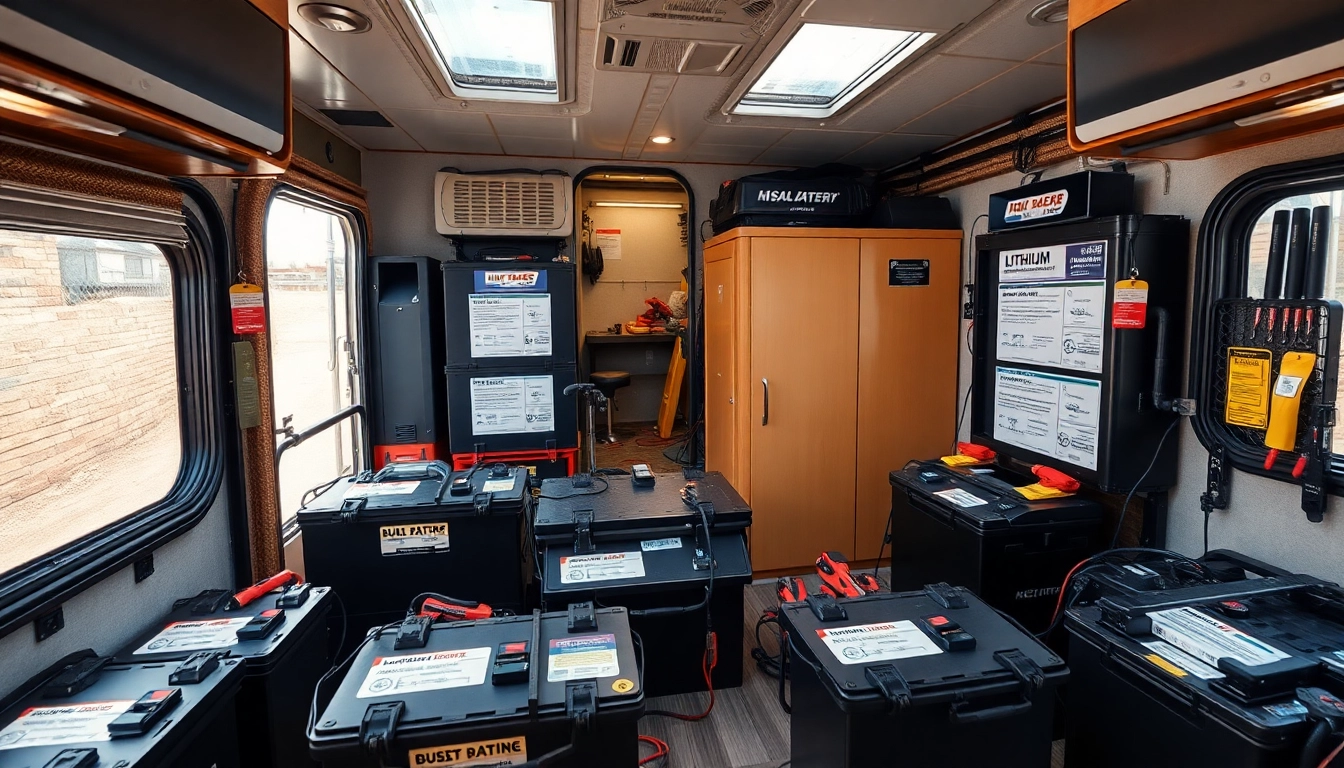
Understanding Lithium RV Batteries
What are Lithium RV Batteries?
Lithium RV batteries are advanced power sources designed specifically for recreational vehicles (RVs), ensuring efficient energy storage and sustainable power solutions. Unlike traditional lead-acid batteries, lithium batteries utilize lithium-ion technology to provide a lighter, more compact, and powerful alternative. These batteries are known for their longer life cycles, faster charging capabilities, and ability to sustain high power loads, making them ideal for modern RV needs.
Benefits of Lithium RV Batteries
Switching to lithium RV batteries presents several advantages:
- Longer Lifespan: Lithium batteries can last up to 10 years or more compared to lead-acid batteries, which typically need replacement every 3-5 years.
- Higher Depth of Discharge: Users can draw up to 80-90% of the battery capacity without damaging it, offering more usable energy.
- Weight Efficiency: Lithium batteries are significantly lighter than their lead-acid counterparts, which can improve overall vehicle efficiency and handling.
- Fast Charging: They can recharge faster, which is particularly useful for those who need a quick turnaround between excursions.
- Environmentally Friendly: Lithium batteries contain fewer toxic materials and are fully recyclable, making them a more sustainable option.
How Lithium RV Batteries Work
Lithium RV batteries operate using a process known as intercalation. During charging, lithium ions move from the cathode to the anode through an electrolyte. When discharging, the reverse occurs, and these ions generate electric current. The composition of lithium iron phosphate (LiFePO4) is common in RV applications, offering high thermal stability and safety. This technology allows for effective management of the battery's discharge cycles and charging efficiency.
Comparing Lithium RV Batteries to Traditional Options
Lead-Acid vs Lithium RV Batteries
When comparing lead-acid and lithium batteries, several key differences emerge:
- Weight: Lithium batteries are lighter than lead-acid batteries, improving overall vehicle weight distribution.
- Charging Cycles: Lithium batteries can handle more charging cycles—typically 2,000-5,000 cycles—compared to lead-acid's 500-1,500 cycles.
- Efficiency: Lithium batteries generally have a round-trip efficiency of 90-95%, while lead-acid batteries fall behind at about 70-80%.
- Maintenance: Lithium batteries require virtually no maintenance compared to lead-acid batteries, which need regular water and electrolyte level checks.
Cost Implications of Upgrading
While the initial investment in Vatrer Power lithium RV batteries is higher than that of lead-acid batteries, the long-term savings are significant. With longer life cycles and higher efficiency, users can save on replacements and maintenance. Additionally, the increased usable energy can enhance efficiency, especially during extended trips or off-grid adventures. Analyzing total cost of ownership against expected use scenarios can provide better insight into overall value.
Durability and Lifespan Differences
The durability of lithium batteries is noteworthy. They withstand extreme temperatures and can endure shocks and vibrations better than lead-acid options. Lead-acid batteries degrade faster when subjected to deep discharges. In contrast, lithium batteries maintain performance despite being deeply discharged regularly. This resilience is crucial for RV users who rely on battery performance in varied conditions.
Choosing the Right Lithium RV Batteries for Your Needs
Capacity and Size Considerations
Choosing the right capacity is paramount. Lithium batteries come in a range of sizes and voltages, with common options being 12V and 24V. Users must consider their energy consumption patterns to select a battery that meets their needs. Calculating the total watt-hours required based on appliances and usage will guide you toward selecting the appropriate amp-hour (Ah) rating. A smaller battery may suffice for occasional short trips, while larger capacities are essential for extended off-grid adventures.
Best Practices for Selection
Key best practices when selecting lithium RV batteries include:
- Research reputable manufacturers to ensure quality and safety standards.
- Verify warranty conditions to safeguard your investment.
- Recognize the importance of Battery Management Systems (BMS) in protecting battery health.
- Consider your specific power needs and match the battery capacity accordingly.
Installation Tips for Optimal Performance
Proper installation is crucial for maximizing the performance of 12V 300Ah Lithium Battery. Follow these tips:
- Ensure a secure and ventilated mounting location to enhance cooling.
- Use proper gauge wiring to minimize voltage drop and increase efficiency.
- Integrate a Battery Management System (BMS) for safety and battery health.
- Regularly check connections to avoid power loss due to corrosion or looseness.
Maintaining Your Lithium RV Batteries
Regular Maintenance Checks
While lithium batteries require less maintenance than lead-acid batteries, routine inspections are still essential. Check for proper connections, inspect for any signs of wear or damage, and monitor temperature conditions. It's wise to keep the battery's software updated if your system includes smart management features.
Extending Battery Life
To extend the life of your lithium RV batteries, consider the following practices:
- Avoid complete discharges; regular partial discharges are healthier.
- Use a smart charger designed for lithium batteries to optimize charging cycles.
- Store batteries at a moderate temperature to prevent thermal damage.
- Monitor and adjust usage patterns according to your electrical needs.
Signs Your Lithium RV Batteries Need Replacement
Being proactive about battery health is crucial. Signs that your lithium RV batteries may need replacement include:
- Rapid decline in capacity, where the battery fails to hold a charge.
- Increased self-discharge rates, leading to power loss while idle.
- Overheating during charge cycles, indicating potential safety hazards.
Common Questions About Lithium RV Batteries
Are lithium batteries worth it for an RV?
Yes, lithium batteries offer longer lifespan, faster charging, and greater efficiency, making them cost-effective for frequent RV usage.
How long will a 12v fridge run on a 100Ah lithium battery?
A 100Ah lithium battery can typically power a 12v fridge for 2-3.5 days, depending on the fridge's power consumption and setup.
Can I use solar panels with my lithium RV batteries?
Yes, lithium RV batteries are compatible with solar systems, effectively allowing for off-grid power generation and reduced reliance on shore power.
Do lithium RV batteries work in cold weather?
While lithium batteries perform well, their efficiency can decrease in extreme cold. Using thermal insulation or heating can help maintain optimal performance.
What is the typical lifespan of lithium RV batteries?
Typically, lithium RV batteries can last 10 years or more, significantly outlasting traditional lead-acid options, which usually last 3-5 years.