
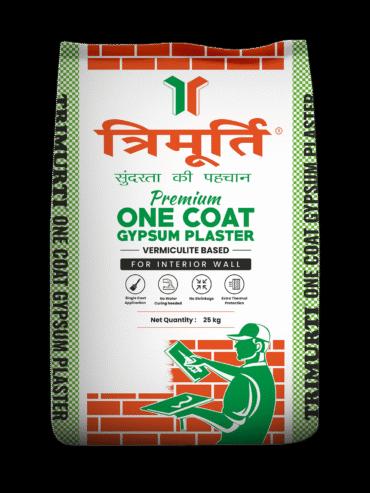
Interior walls play an important role in defining the appearance, comfort, and durability of any building. A well-finished wall creates a smooth base for painting, enhances interior aesthetics, and improves the overall value of a space. Selecting the right finishing material is essential for achieving long-lasting results. A reliable gypsum plaster company in India focuses on providing advanced solutions that help create seamless surfaces, reduce imperfections, and improve the quality of interior wall finishes.
Understanding Gypsum Plaster and Its Importance
Gypsum plaster is a lightweight finishing material made by processing gypsum powder into a smooth plastering solution. It is widely used for interior walls and ceilings because of its excellent workability, quick setting properties, and ability to provide a refined finish. Unlike traditional cement plaster, gypsum plaster requires less water and offers a smoother surface that reduces the need for additional finishing work.
The main purpose of gypsum plaster is to create an even layer over walls by covering minor cracks, uneven areas, and surface irregularities. This makes it an effective choice for residential, commercial, and institutional spaces where quality finishing is a priority.
How Gypsum Plaster Enhances Interior Wall Finishing
1. Provides a Smooth and Even Surface
One of the biggest advantages of gypsum plaster is its ability to create a smooth wall surface. The fine particles present in gypsum allow easy application and produce a uniform texture. This smooth base improves the appearance of paint and decorative finishes, giving interiors a cleaner and more attractive look.
A properly applied gypsum plaster layer eliminates common surface issues such as rough patches and uneven textures. This ensures that the final paint coating appears consistent and enhances the overall visual appeal of the room.
2. Reduces Finishing Time
Gypsum plaster has quick-setting properties, allowing construction and renovation projects to progress faster. It does not require a long curing period like traditional plastering materials, which helps reduce waiting time before painting.
Faster application also improves project efficiency by reducing labor requirements and allowing other interior work to continue without unnecessary delays. This makes gypsum plaster a practical solution for modern construction projects where time management is important.
3. Improves Paint Application Quality
A smooth plastered surface provides better paint adhesion and helps achieve a more polished appearance. Uneven walls often require multiple layers of paint to hide imperfections, increasing material consumption and labor costs.
Gypsum plaster creates a stable base that allows paint to spread evenly. Whether using standard paints or premium finishes, a properly prepared gypsum surface helps maintain better color consistency and enhances the durability of the final coating.
4. Offers Better Crack Resistance
Interior walls can develop cracks due to temperature changes, building movement, or improper surface preparation. Gypsum plaster helps minimize these issues by creating a strong and flexible surface layer.
Its properties allow it to handle minor movements without easily developing surface cracks. This makes it suitable for maintaining attractive interiors over a longer period while reducing frequent repair requirements.
5. Provides Thermal and Fire Resistance Benefits
Gypsum plaster offers additional functional benefits beyond appearance. Gypsum contains water molecules within its structure, which helps provide better fire resistance compared to some conventional materials.
It also contributes to improved thermal comfort by helping regulate indoor temperatures. These qualities make gypsum plaster a valuable choice for buildings where safety, comfort, and energy efficiency are important considerations.
Gypsum Plaster vs Traditional Plastering Materials
Traditional cement plaster has been commonly used for wall finishing for many years. However, gypsum plaster provides several advantages, including smoother application, faster drying, and reduced surface finishing requirements.
Cement plaster generally requires more curing time and additional treatments to achieve a smooth finish. Gypsum plaster, on the other hand, creates a ready-to-paint surface with minimal effort. This makes it a preferred option for modern interiors where quality and efficiency are equally important.
Another commonly used finishing material is POP plaster of paris, which is often selected for decorative designs, ceiling work, and architectural details. While POP is useful for creative applications, gypsum plaster is generally preferred for complete wall finishing due to its strength, consistency, and smooth coverage.
Factors to Consider When Choosing Gypsum Plaster
Quality of Material
The quality of gypsum powder directly affects the final finish. High-quality material ensures better consistency, improved adhesion, and a smoother application process. Choosing reliable suppliers helps achieve better performance and long-lasting results.
Application Expertise
Proper mixing and application techniques are essential for achieving the desired finish. Skilled professionals understand surface preparation, thickness requirements, and drying conditions, ensuring that the plaster performs effectively.
Surface Preparation
Before applying gypsum plaster, walls should be properly cleaned and prepared. Removing dust, loose particles, and existing imperfections improves bonding and prevents future issues.
Project Requirements
Different spaces may have different finishing requirements. Residential interiors, offices, hotels, and commercial buildings may require specific plastering solutions based on design preferences and functional needs.
Benefits of Using Gypsum Plaster for Interiors
Gypsum plaster provides multiple advantages that improve both the appearance and performance of interior walls. Some key benefits include:
● Smooth and premium-quality wall finish
● Faster application compared to traditional plaster
● Reduced requirement for additional finishing layers
● Better paint adhesion and appearance
● Improved durability and crack resistance
● Suitable for modern interior designs
● Lower maintenance requirements over time
These benefits make gypsum plaster an effective choice for achieving high-quality interior surfaces in different types of construction projects.
Conclusion
Choosing the right plastering material is essential for achieving durable, attractive, and smooth interior walls. Gypsum plaster improves finishing quality by providing better surface smoothness, faster application, enhanced paint performance, and long-term durability. Working with a trusted gypsum plaster company in India helps ensure access to quality materials and professional solutions that meet modern construction requirements.
For superior interior finishes and reliable construction solutions, Trimurti offers a wide range of construction finishing solutions, including gypsum plaster, wall care products, Trimurti adhesive, and other surface finishing materials. With a focus on quality, innovation, and reliable performance, Trimurti supports builders, contractors, and homeowners in achieving smooth, durable, and professionally finished interiors for residential and commercial projects.