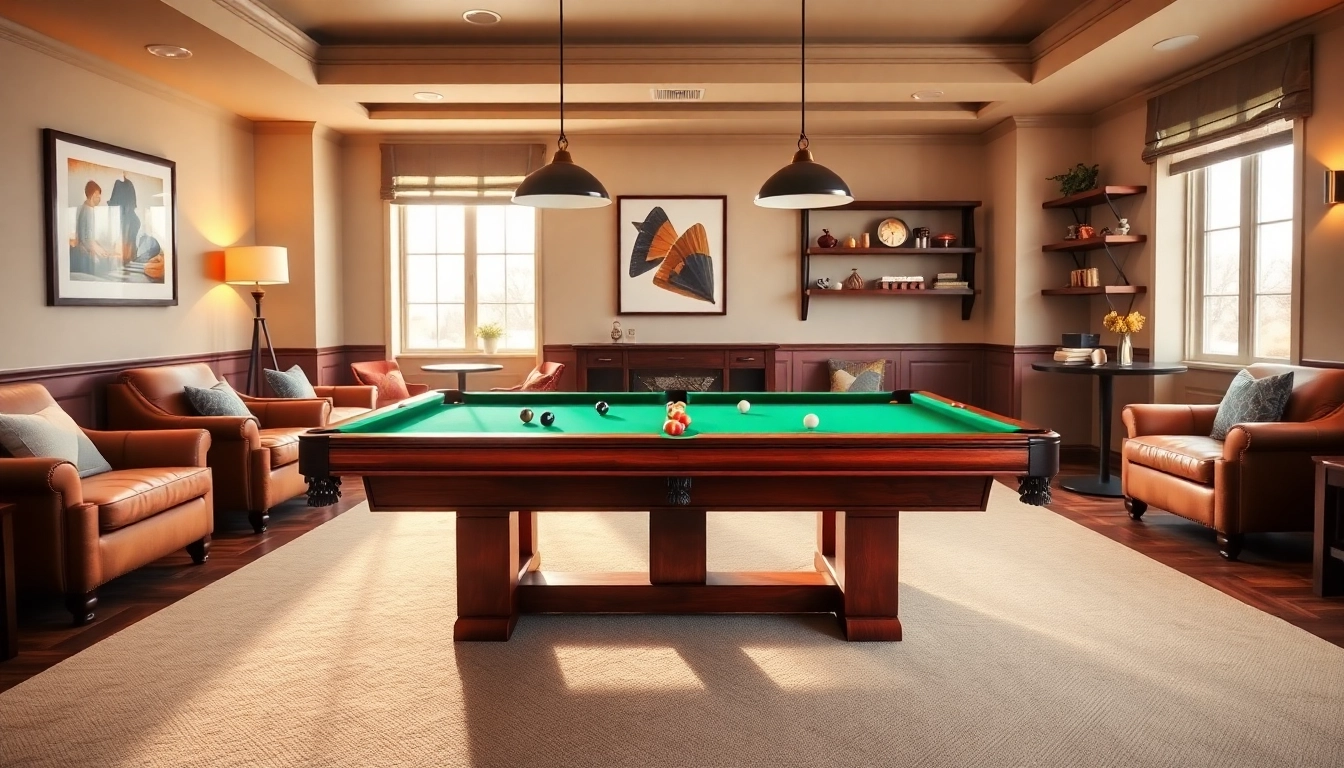
Understanding Different Types of Pool Tables
When it comes to choosing the perfect pool table for your game room, understanding the different types is crucial. With many variations in size, material, and design style, knowing the options available helps you make informed decisions. Whether you're starting your journey in billiards or looking to upgrade, being well-versed in the nuances of pool tables will empower you. Let's dive into the specifics!
1. Size Variations: 7ft vs 8ft
The size of your pool table is one of the most significant factors to consider. Generally, you will find two standard sizes that most enthusiasts gravitate toward - the 7-foot and 8-foot tables. The 7-foot table, often referred to as the “bar size,” measures approximately 7 ft x 3.5 ft and is commonly used in recreational establishments. Conversely, the 8-foot table, measuring about 8 ft x 4 ft, is favored for home interiors and competitive play. Many players prefer the 8-foot size for its ability to create a more immersive experience and effectively simulate the conditions of professional play.
2. Material Choices: Slate vs. Particle Board
Another essential aspect to consider is the material of the pool table. The most prominent choices are slate and particle board. Slate is revered for its stability and surface quality, providing a flat playing area that enhances the overall gameplay experience. However, it requires professionals for installation due to its weight. On the other hand, particle board, while often more affordable, lacks the durability and playability advantages of slate. It is, however, lighter and easier to transport, making it a suitable choice for casual players or those limited by budget constraints.
3. Design Styles: Modern vs. Traditional
Design plays a considerable role in selecting a pool table, especially if aesthetics matter to you. Modern pool tables typically feature sleek lines, contemporary materials, and minimalist design, emphasizing functionality and style. They often incorporate innovative materials like metal and glass. Traditional tables, meanwhile, exhibit craftsmanship with ornate designs made from solid wood, evoking a classic and timeless look. Depending on your room decor, choosing between modern and traditional can complete your game room's overall aesthetic.
Factors to Consider When Buying Pool Tables
Once you understand the different types of pool tables, it’s essential to consider various factors that impact your purchase. Here are some vital elements to weigh before making a decision.
1. Space Requirements for Installation
Before rushing into the purchase of a pool table, assess the available space in your home. Standard recommendations indicate that you allow a minimum of 5 feet of clearance around all sides of the table. This enables players to prepare and execute their shots without obstruction. Measure your designated area to ensure not just the table fits, but that there’s ample space for movement. Proper planning avoids future overcrowding and maximizes the enjoyment of your game.
2. Budgeting for Purchase and Installation
Establishing a budget is paramount when buying a pool table. While the cost of the table itself is a significant consideration, factor in additional expenses such as delivery, installation, and accessories. Slate tables, for instance, can incur greater initial costs due to their weight and required assembly by professionals. On the other hand, lighter tables may afford easier self-installation. Determine what fits your financial situation best and prioritize quality, as cheaper tables can lead to unsatisfactory gameplay over time.
3. Choosing Accessories and Add-ons
Pool tables often come with basic accessories, but depending on the level of play, additional items may be necessary. Essential accessories include cues, balls, chalk, a brush for cleaning, and a cue rack. Some enthusiasts also opt for premium items to enhance their gameplay, such as high-quality cues or personalized racks. Make a checklist of what's essential for your playing experience and explore add-ons that could enrich your pool table setup.
Where to Buy Pool Tables: Online vs. Local Retailers
After understanding the tables and factors influencing your purchase, the next crucial step is determining where to buy pool tables. You have two primary options: online retailers or local stores. Each choice has its benefits and drawbacks.
1. Advantages of Buying Online
Shopping for a pool table online often provides a more extensive selection you might not find locally. Many online retailers offer various styles, sizes, and price points, allowing for convenient comparisons. Additionally, many websites like Buy Pool Tables provide user reviews, which can greatly aid your decision-making process. The convenience of home shopping combined with potential discounts makes it a popular choice for many buyers.
2. Benefits of Shopping Locally
Despite the convenience of online shopping, local retailers present unique advantages. Not only can you inspect the table physically for quality and craftsmanship, but local shops often provide personalized advice and service. This face-to-face interaction allows you to ask specific questions and receive immediate feedback, providing assurance before making a critical purchase. Furthermore, purchasing locally can alleviate shipping costs and ensure timely delivery.
3. Evaluating Seller Reputation and Reviews
Regardless of whether you choose to shop online or locally, always take the time to evaluate the seller's reputation. Look for retailers that have positive reviews and a history of customer satisfaction. Websites often feature user ratings, and independent review platforms can also offer insights regarding buyers' experiences. Knowing you’re working with a trusted seller comes with peace of mind, ensuring your pool table is a worthwhile investment.
Pool Table Maintenance Tips to Enhance Longevity
Investing in a pool table is a commitment, so maintaining it is vital to prolong its lifespan and ensure optimal performance during games. Adopting regular maintenance habits will keep your table in excellent shape for years to come.
1. Regular Cleaning and Care
Maintaining a clean playing surface is crucial for preserving the quality of your pool table. Regularly dust and wipe down the felt to keep it free from debris and chalk residue. Use a specialized pool table brush designed for this purpose. Avoid using harsh chemicals as they can damage the cloth or finish. Gently clearing the surface and spot-cleaning stains will maintain the look and feel of your table.
2. Adjusting Table Leveling and Felt Care
Over time, your pool table's felt may loosen or wear. It's essential to keep the table leveled to ensure fair play. Regularly check its level using a carpenter's level and make adjustments as necessary. If the felt shows signs of wear or damage, replacing it may be the best option for maintaining smooth gameplay. A well-maintained playing surface ensures an enjoyable experience, whether you’re playing casually or competitively.
3. When to Call a Professional for Repairs
Even with diligent care, your pool table may experience issues over time. Common problems might include uneven leveling, damaged pockets, or worn-out felt. While some repairs can be handled personally, others, such as slate replacement or re-felting, may require professional services. If you're unsure, it’s typically best to consult with a professional, as they can ensure the repairs are conducted properly and maintain the integrity of your table.
Frequently Asked Questions About Buying Pool Tables
1. Should I buy a 7 or 8 foot pool table?
It often depends on your space and playing preference. 7-foot tables are ideal for casual play, while 8-foot tables mimic a professional setting.
2. What’s the best surface material for a pool table?
Slate is generally considered the best surface material due to its durability and ability to provide a smooth playing experience.
3. How much space do I need around a pool table?
Allow at least 5 feet of clearance around the table so players can move freely and take shots without obstruction.
4. Are accessories included in the pool table purchase?
This varies by retailer. Some tables come with essential accessories, while others may offer them at an additional cost or require separate purchases.
5. Where can I find the best deals on pool tables?
Comparing prices online and locally can yield the best deals. Keep an eye out for seasonal sales and promotions from retailers.