Understanding the Culinary Arts
What is the Culinary Arts?
The culinary arts encompass a vast array of skills and techniques related to preparing, cooking, and presenting food. It combines science, creativity, and cultural traditions, offering an engaging spectrum for both professional chefs and home cooks. Culinary artists are responsible for not only the physical preparation of food but also creating a dining experience that stimulates the senses. The slot of culinary arts extends beyond mere cooking; it involves a deep understanding of flavor profiles, presentation techniques, and ingredient sourcing.
History and Evolution of Cooking
Cooking has evolved dramatically from prehistoric times, when it was primarily about survival, to the sophisticated gastronomic art we celebrate today. Early humans relied on raw ingredients and fire to prepare food, but as societies developed, so did culinary techniques. The ancient Romans and Greeks laid foundational principles of food preparation, which influenced medieval cooking methods. By the Renaissance, spices and techniques from the Far East started making their way into European kitchens, enhancing culinary diversity.
Throughout history, culinary arts have mirrored social changes, with each era introducing new ingredients and cooking techniques based on trade, colonization, and technological advances. For instance, the introduction of refrigeration in the 19th century revolutionized food storage and preparation methods.
Importance of Culinary Skills
Culinary skills are essential not just for chefs but for anyone interested in food preparation. Mastering these skills enhances personal health through better nutrition. In professional settings, proficient culinary skills lead to creative menus, efficient kitchen operations, and improved customer satisfaction. Today, knowing how to cook is not merely a matter of sustenance but an art form that combines precision, creativity, and cultural pride.
Essential Culinary Techniques
Basic Knife Skills
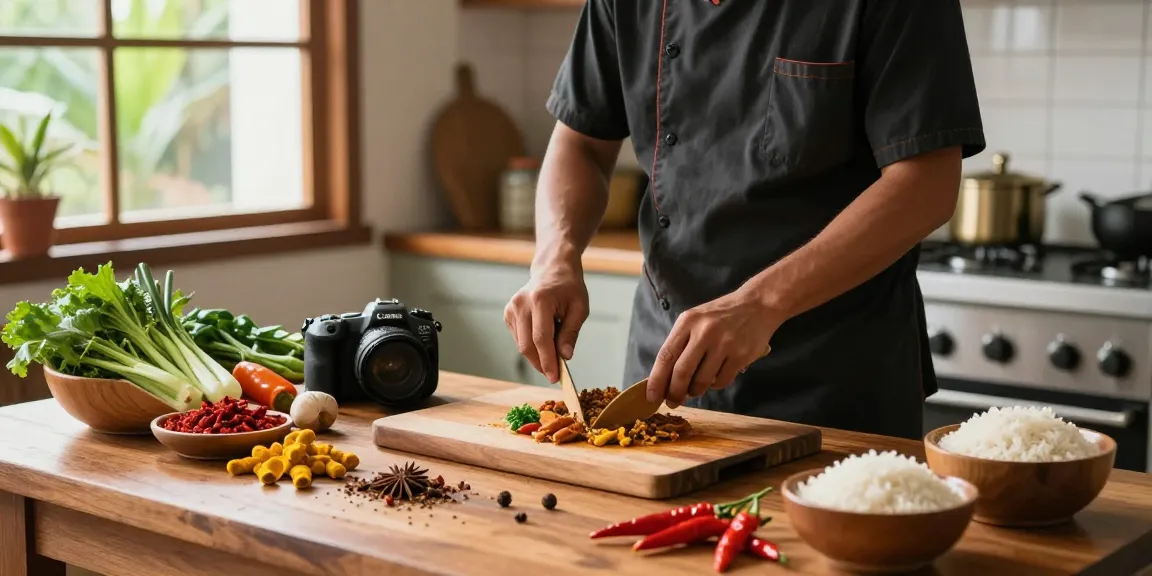
The foundation of culinary arts lies in mastering basic knife skills. Being proficient with a knife not only ensures safety but also enhances efficiency and presentation. Key knife skills include proper grip, fundamental cuts (such as julienne, dice, and chiffonade), and honing the knife. Understanding different knives and their specific uses can dramatically improve a chef’s ability to manage their time and produce aesthetic dishes.
Cooking Methods Explained
Diverse cooking methods form the backbone of culinary arts. Techniques include boiling, steaming, roasting, and grilling, each producing different taste profiles and textures. Knowledge of when to use each technique is vital. For instance, roasting vegetables caramelizes their natural sugars, enhancing flavor, while steaming preserves nutrients. Furthermore, understanding the science behind cooking methods can help chefs adapt to various ingredients and achieve desired outcomes consistently.
Flavor Pairing Essentials
Flavor pairing is a crucial aspect of cooking that involves combining ingredients to create balanced and harmonious dishes. A good understanding of which flavors complement one another can elevate a dish from basic to extraordinary. Traditional pairings such as chocolate and chili or tomato and basil demonstrate how certain ingredients enhance each other’s flavors. Modern molecular gastronomy also explores unexpected pairings, pushing the boundaries of culinary creativity.
Ingredient Knowledge and Preparation
Types of Ingredients Used in Restaurants
Understanding the various types of ingredients available to chefs is critical. Ingredients can be categorized into basics (flours, sugars, salts, and oils), proteins (meat, fish, and legumes), and produce (fruits, vegetables, and herbs). Each category brings unique qualities and flavors to dishes. Sourcing high-quality ingredients, often from local suppliers, can also enrich the flavor and presentation of a meal, making it a sensory delight.
Fresh vs. Processed: What’s the Difference?
Fresh ingredients are typically minimally processed and free from preservatives, offering superior taste and nutritional value. In contrast, processed ingredients might save time but can compromise flavor and health. Understanding the merits of fresh produce can guide chefs in their cooking choices, such as incorporating seasonal produce for peak flavor and value. The challenge lies in balancing convenience with quality to meet both operational demands and customer satisfaction.
Seasonal Ingredients: How to Use Them
Utilizing seasonal ingredients not only enhances freshness but also supports local agriculture. Each season brings a unique array of flavors and textures, which can revitalize a restaurant's menu. For instance, root vegetables shine in winter, while summers are ripe with juicy tomatoes and peaches. Chefs can capitalize on these seasonal variations to craft dishes that reflect the time of year, attracting patrons looking for something fresh and new.
Building a Menu
Elements of a Well-Balanced Menu
A well-balanced menu is the linchpin of any restaurant operation. It should offer a variety of flavors, textures, and cooking styles that cater to the tastes of a diverse clientele. Each item must be thoughtfully crafted, considering dietary restrictions and food pairings to ensure a cohesive dining experience. Additionally, pricing strategies must align with ingredient costs and target demographics to maintain profitability.
Trends in Restaurant Menus
Staying up-to-date with food and restaurant trends is crucial for menu development. Current trends include plant-based offerings, hyper-local sourcing, and experiential dining. Chefs are increasingly embracing innovative approaches, such as pop-up concepts or multi-course tasting menus, which provide customers with an adventure beyond standard dining. Awareness of consumer preferences and market shifts can significantly affect menu success and relevance.
Incorporating Customer Feedback
Actively seeking and incorporating customer feedback is essential to refining menu offerings. Regularly analyzing customer preferences can inspire menu changes that resonate with patrons, ensuring their satisfaction. Techniques include surveys, direct conversations, or monitoring online reviews. Engaging with customers shows appreciation and fosters loyalty, creating a loyal customer base that expects and values the evolving culinary experience.
Practical Tips for Aspiring Chefs
How to Prepare for Culinary School
Preparing for culinary school involves research, financial planning, and skill development. Prospective students should visit schools, attend open houses, and evaluate curricula to find a fit that aligns with their culinary aspirations. Additionally, basic cooking experience and understanding kitchen dynamics can provide a competitive edge. Familiarizing oneself with culinary terminology and concepts is also beneficial before starting formal education.
Gaining Experience in the Kitchen
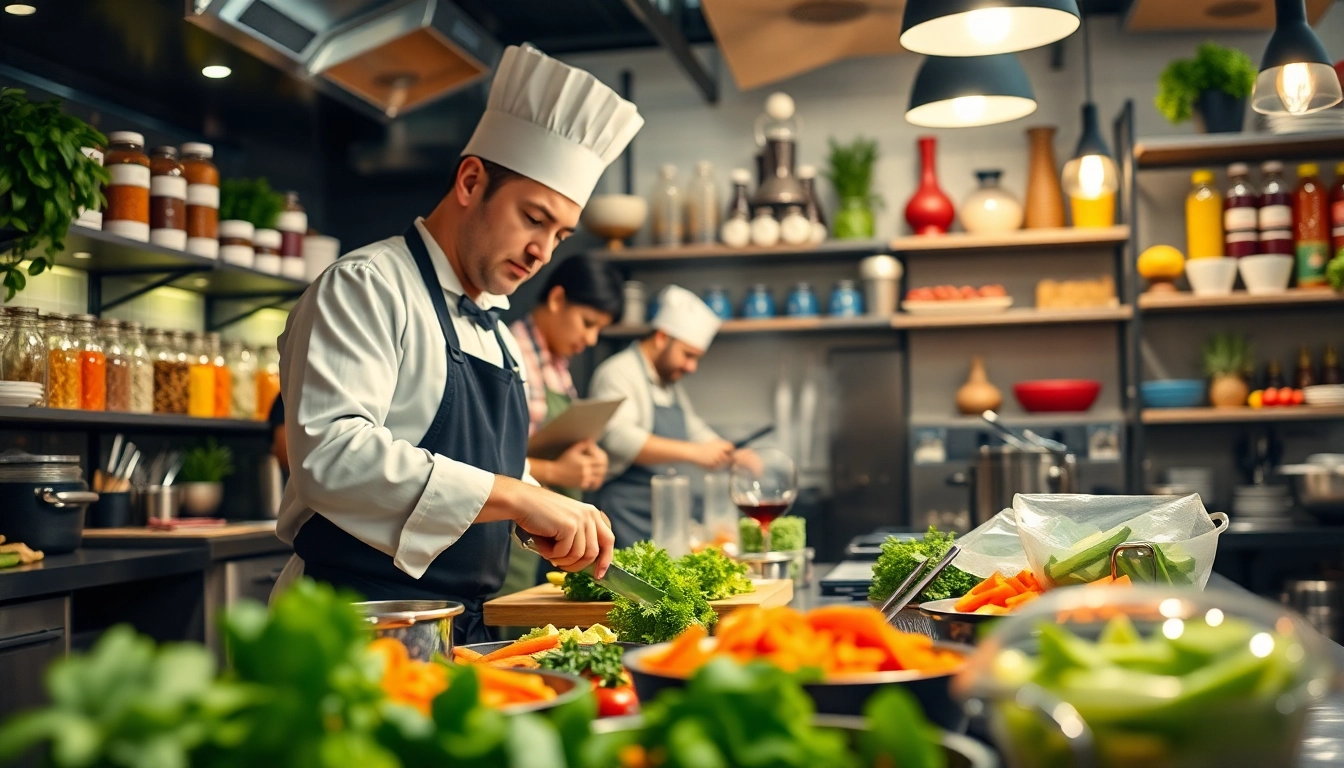
Experience in professional kitchens can greatly enhance culinary skills. Opportunities include internships, externships, or entry-level positions in restaurants. Through hands-on experience, aspiring chefs learn invaluable techniques, work ethics, and kitchen dynamics that are not taught in a classroom. It’s important to capitalize on these experiences to form professional connections that can lead to referrals and job opportunities in the future.
Networking in the Culinary Industry
Building a professional network is crucial in the culinary industry. Attend events, culinary competitions, and food festivals to meet other chefs, suppliers, and industry professionals. Online platforms like LinkedIn can also help connect with influential figures in the culinary world. Cultivating relationships can lead to collaborations, mentorships, and job opportunities, further advancing one’s culinary career.
FAQs
What qualifications do I need to become a chef?
Qualifications vary but usually include culinary school training and relevant kitchen experience. Many successful chefs start with apprenticeships. A passion for cooking and creativity is equally important.
How important is plating presentation?
Plating presentation significantly impacts the dining experience and influences how customers perceive a dish. A well-presented dish can enhance its appeal and overall enjoyment.
What are some common culinary schools?
Numerous culinary institutions around the world offer quality education. Well-regarded options include those providing diverse programs in baking, pastry arts, and restaurant management.
How do I choose the right ingredients?
Select ingredients based on freshness, quality, and seasonality. Understanding where your ingredients come from can significantly enhance the taste and quality of your dishes.
What role does customer feedback play in menu development?
Customer feedback is crucial for refining and evolving menus. It helps chefs understand preferences, adapt offerings, and ultimately enhance guest satisfaction, fostering loyalty.