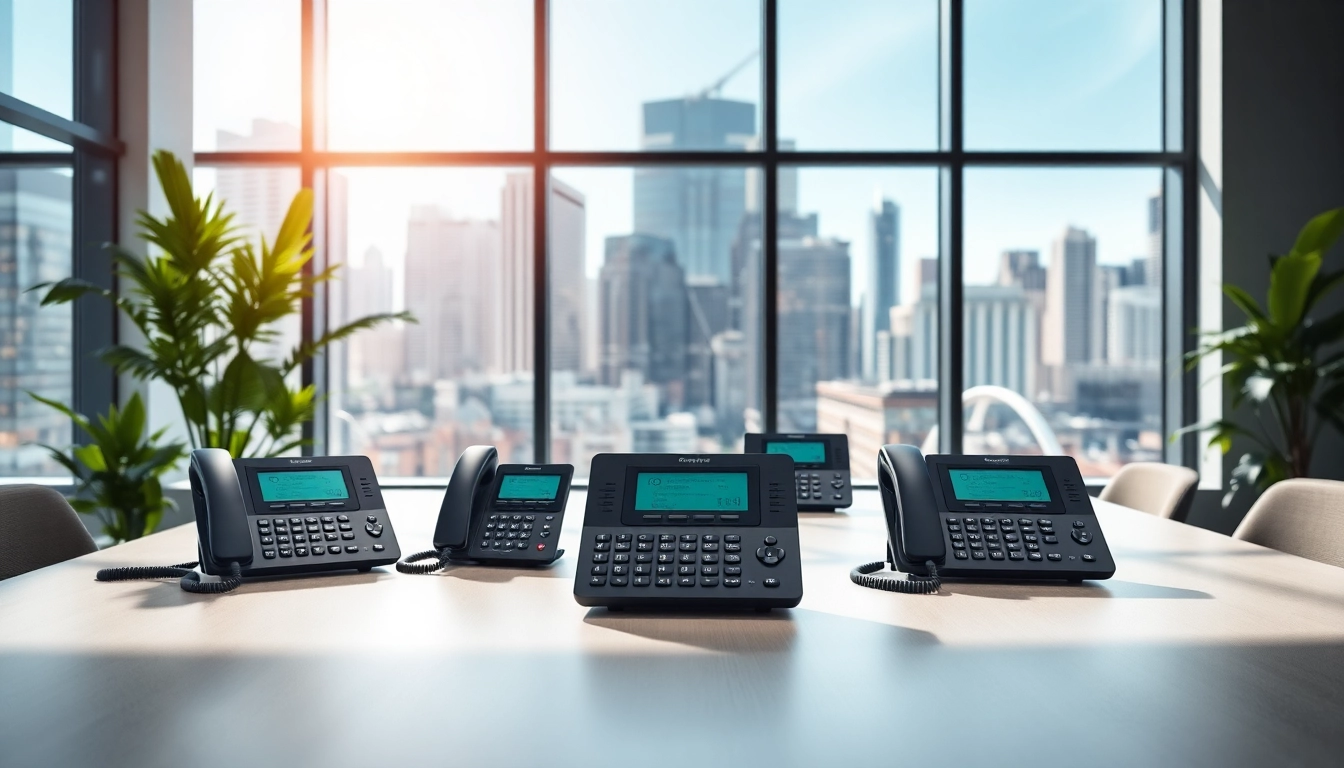
Understanding Office Phone Systems
What Are Office Phone Systems?
Office phone systems are integral communication platforms within a business setup, designed to manage voice communications effectively. These systems allow employees to make and receive phone calls, along with a multitude of other functionalities such as voicemail, call forwarding, and conferencing. The evolution of technology has brought about advanced systems that interconnect with computers and mobile devices, enhancing overall office communication. Modern office phone systems are customizable, scalable, and adaptable to the varying needs of businesses.
Benefits of Modern Office Phone Systems
Modern office phone systems provide numerous benefits that can significantly enhance business operations:
- Cost Efficiency: With many systems being VoIP-based, businesses can save on call costs, especially long-distance.
- Scalability: Easily add or remove lines and features as your business evolves.
- Enhanced Features: Access to advanced features like call analytics, voicemail-to-email, and integration with other technologies.
- Mobility: Enable remote working with functionalities like softphones and mobile applications.
- Improved Collaboration: Facilitate teamwork through conference calling and video chat capabilities.
How to Choose the Right Office Phone System
Selecting the right office phone system is crucial for your business’s success. Here are some steps to consider:
- Identify Your Needs: Determine the size of your business, the number of employees, and the specific features essential for productivity.
- Budget Considerations: Evaluate how much you are willing to invest and the expected return on investment.
- Research Providers: Look into various providers and compare system functionalities, customer support, and reviews.
- Trial Before Purchase: Whenever possible, demo the system to assess usability and performance.
- Future Proofing: Choose a system that can grow with your business to avoid frequent upgrades.
Types of Office Phone Systems
VoIP vs. Traditional Office Phone Systems
The differences between VoIP (Voice over Internet Protocol) and traditional office phone systems are significant:
- VoIP Systems: These utilize the internet to make calls, offering flexibility, lower costs, and advanced features.
- Traditional Systems: Generally more expensive and limited in features, these rely on copper wiring and analog lines, making them less adaptable.
Choosing between the two depends largely on your business model and communication needs.
Hybrid Solutions: The Best of Both Worlds
Hybrid phone systems combine the strengths of VoIP and traditional technologies. These systems offer businesses the ability to utilize existing infrastructure while incorporating modern features. This option can be particularly appealing for businesses looking to transition gradually to VoIP without losing the reliability of their current system.
Key Features to Look For
When evaluating office phone systems, keep an eye out for essential features that enhance functionality:
- Call forwarding and routing
- Unified messaging (voice, fax, and email integration)
- Conference calling capabilities
- Call analytics and reporting
- Customer relationship management (CRM) integration
Implementing Office Phone Systems
Step-by-Step Installation Guide
Implementing a new office phone system can be straightforward if you follow these steps:
- Assess Your Infrastructure: Ensure that your network can support a VoIP system if you choose one.
- Choose the Right Provider: Partner with a reputable provider who can assist with the installation and training.
- Install Equipment: Set up your phones and any associated hardware, such as routers or switches.
- Configuration: Customize settings for call forwarding, voicemail, and other features based on your needs.
- Training Employees: Conduct training sessions to ensure that all users are familiar with the new system.
Common Challenges and Solutions
Transitioning to a new office phone system can bring several challenges:
- Connectivity Issues: Regularly test your internet connection and work with your provider to resolve any issues.
- Employee Resistance: Offer comprehensive training to help employees feel comfortable with the new system.
- Integration Difficulties: Plan the integration carefully, particularly if you use CRM or other software that requires synchronization.
Best Practices for Effective Use
To maximize the benefits of your office phone systems, consider the following best practices:
- Regularly review call analytics to identify patterns or performance issues.
- Encourage employees to utilize all available features, not just basic functions.
- Maintain periodic training sessions as new features become available.
Performance Metrics for Office Phone Systems
Measuring Effectiveness and ROI
To gauge the effectiveness of your office phone system, monitor your return on investment (ROI) by assessing:
- Reduction in communication costs
- Changes in employee productivity
- Customer satisfaction ratings and feedback
Key Performance Indicators to Monitor
Track specific key performance indicators (KPIs) such as:
- Call duration and frequency
- Number of successful calls
- Voicemail response times
Adjusting Strategies for Improvement
Based on your metrics, regularly refine your strategy. Analyze data trends, listen to employee feedback, and make adjustments to enhance your office phone system performance continually.
FAQs About Office Phone Systems
What is an office phone system?
Office phone systems are communication platforms designed to handle voice calls within a business, offering features like voicemail, call routing, and conferencing.
How can office phone systems improve productivity?
These systems streamline communication, increase accessibility, and provide tools that enhance collaboration efforts, leading to improved productivity.
What features should I look for in an office phone system?
Key features include call forwarding, unified messaging, analytics, conferencing, and integration with existing software like CRM systems.
Are VoIP systems better than traditional phones?
VoIP systems are often more cost-effective and feature-rich compared to traditional phones, especially for businesses that require flexibility and scalability.
How do I maintain my office phone system?
Regularly update software, conduct performance assessments, train employees, and maintain equipment to ensure optimal functionality.
Contact Information
Address:Fareham Innovation Centre, PO13 9FUEmail Us:[email protected]Call Us:0333 015 2615