Understanding Food Contract Packaging
Food contract packaging has emerged as a crucial element in the food supply chain, particularly as companies strive to enhance efficiency and reduce costs without compromising quality. Essentially, food contract packaging involves outsourcing packaging tasks to specialized third-party providers who execute the packaging on behalf of a brand. This strategic decision allows businesses to focus on their core competencies while leveraging the expertise of packaging professionals. For those exploring the benefits of this model, food contract packaging can streamline your operations significantly.
What is Food Contract Packaging?
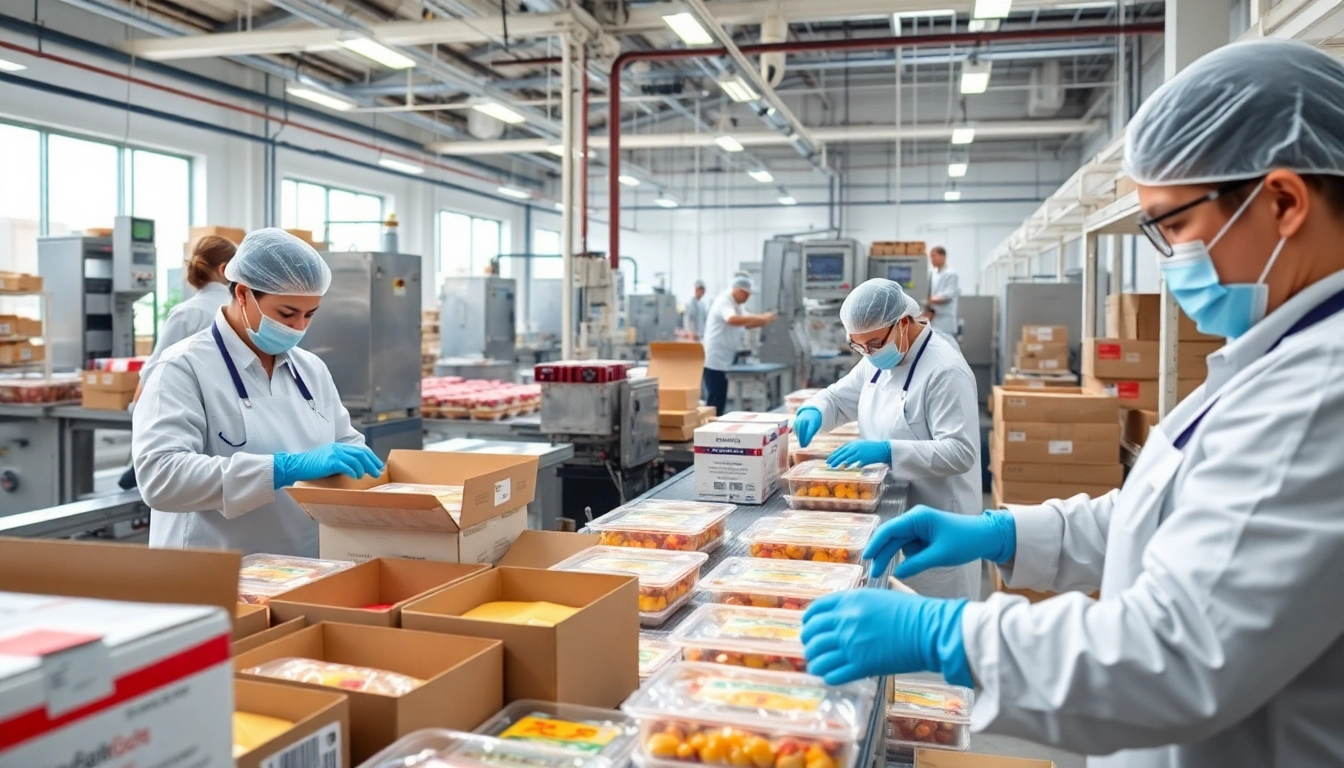
Food contract packaging, often referred to as co-packing, is the process in which a business engages a third-party company to handle the packaging of their food products. This arrangement is particularly advantageous for companies looking to save time, reduce overhead costs, and gain access to specialized packaging technologies without the need for large capital investments. Contract packagers typically manage various aspects, including procurement of materials, packaging design, compliance with regulations, and the actual packaging processes.
Benefits of Outsourcing Packaging
The benefits of outsourcing food packaging are numerous:
- Cost Efficiency: Outsourcing helps businesses avoid the significant costs associated with investing in packaging equipment and labor.
- Scalability: As demand fluctuates, contract packaging allows companies to scale their operations quickly without additional investment.
- Expertise Access: Companies can leverage the specialized skills that contract packagers bring to the table, including advanced packaging technologies and best practices.
- Speed to Market: By outsourcing packaging, companies can reduce production lead times and get their products to market more quickly.
Key Industries Using Food Contract Packaging
Several industries frequently employ food contract packaging as part of their operational strategy:
- Snack Foods: From chips to granola bars, snack manufacturers often rely on contract packagers for efficient and attractive packaging.
- Beverages: Companies producing non-alcoholic drinks, juices, and health supplements utilize specialized packaging solutions to ensure product viability.
- Baked Goods: Businesses producing baked items benefit from customized packaging options that preserve freshness.
- Frozen Foods: The frozen food industry demands specific packaging techniques to protect products during storage and shipping.
Types of Food Contract Packaging Solutions
Flexible Packaging Options
Flexible packaging encompasses materials that can bend or be molded into various shapes. This includes pouches, bags, and wraps, which are lightweight and can be designed to secure freshness.
Popular flexible packaging options include:
- Stand-Up Pouches: Ideal for snacks, these pouches can be resealed and easily displayed.
- Flow Wraps: Often used for individual snack items, providing visibility while securing them tightly.
- Retort Pouches: Designed for ready-to-eat meals, these pouches can withstand high heat processing.
Rigid Packaging Formats
Rigid packaging refers to containers that maintain their shape regardless of the surroundings. This type of packaging is vital for products requiring strong protection.
Common rigid packaging formats include:
- Bottles: Used extensively in the beverage industry, particularly for sauces and condiments.
- Boxes and Cartons: Perfect for shipping and shelf display, these options offer sturdy protection for various food items.
- Tins and Cans: Essential for long-term storage of many perishables, offering excellent shelf life and protection against contamination.
Custom Packaging Strategies
Custom packaging strategies are crafted based on specific product requirements. This may include the size, shape, and branding of the packaging, tailored to attract target demographics.
Implementing custom packaging solutions can lead to:
- Brand Differentiation: Unique packaging helps to distinguish products in a crowded market.
- Enhanced Functionality: Tailored solutions can meet specific consumer needs, such as easy-open features or resealability.
- Sustainability: Eco-friendly materials can be integrated into the design, appealing to environmentally-conscious consumers.
Choosing the Right Contract Packaging Partner
Evaluating Capabilities and Expertise
Selecting the right contract packaging partner is vital for success. Companies should assess potential partners based on their capabilities, including:
- Expertise in Food Safety: Understanding of food safety regulations is crucial to prevent contamination and ensure compliance.
- Technological Advancements: Partners should utilize cutting-edge technology for high-quality packaging solutions.
- Range of Services: A provider offering a variety of packaging types and options can meet dynamic project needs effectively.
Understanding Pricing Models
Pricing structures vary among contract packaging companies. Businesses must fully understand these models to choose the most cost-effective solution for their needs:
- Per-Unit Pricing: A straightforward approach where companies pay a set amount for each unit packaged.
- Flat Fee Structures: Ideal for projects with predictable output, offering fixed costs irrespective of unit variations.
- Tiered Pricing: Discounts based on volume, encouraging larger orders while reducing per unit costs.
Location and Logistics Considerations
Geographic location significantly impacts logistics and shipping times. Considerations include:
- Proximity to Suppliers: Being close to ingredient suppliers can reduce shipping delays and costs.
- Transport Infrastructure: Easy access to major transportation networks can facilitate quicker product distribution.
- Regulatory Environment: Ensure the partner’s location adheres to local and federal food safety regulations.
Best Practices for Food Contract Packaging
Quality Control Techniques
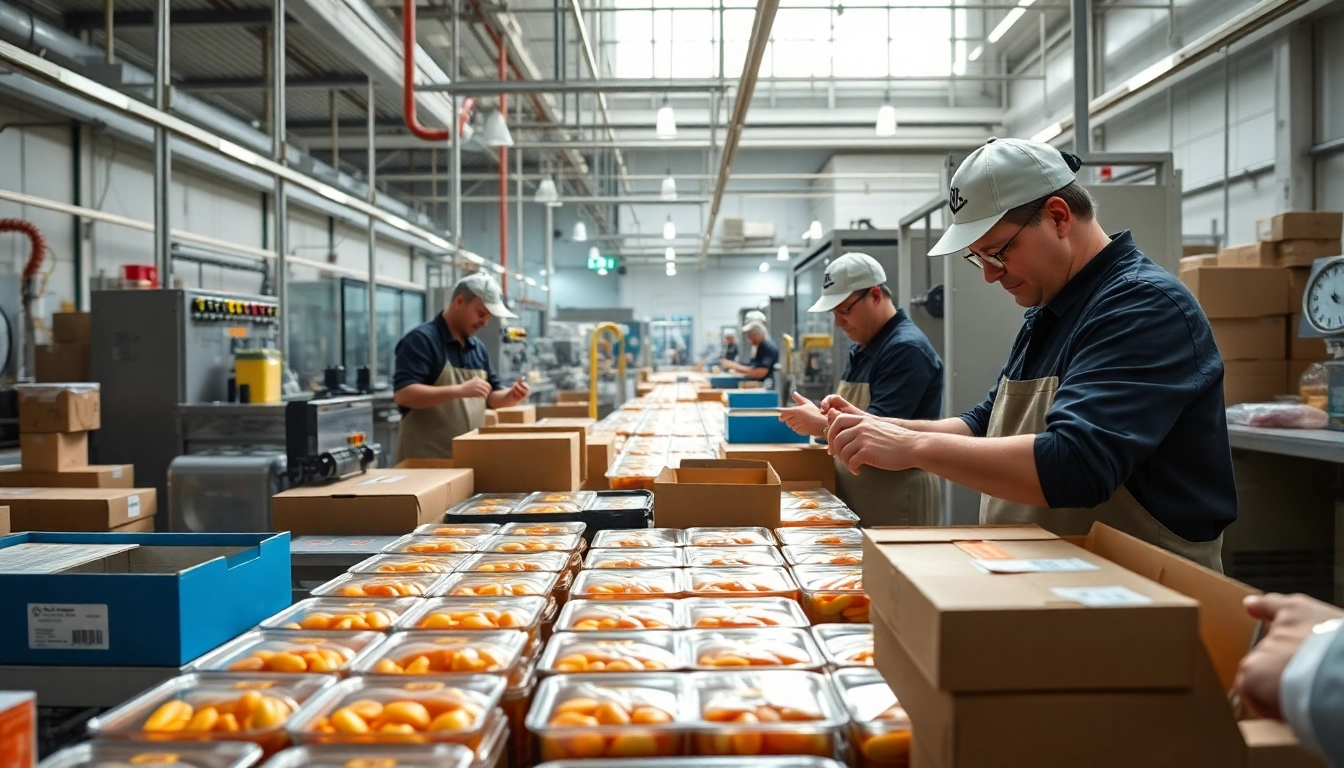
Implementing stringent quality control measures is essential to maintain product integrity. Effective techniques may include:
- Regular Audits: Conducting frequent assessments to ensure compliance with safety standards.
- Batch Testing: Testing sample batches for consistency, safety, and quality before mass production.
- Supplier Verification: Ensuring that all materials sourced meet required quality thresholds.
Compliance with Safety Standards
Ensuring compliance with safety standards is non-negotiable for food contract packaging. Key regulations to follow include:
- FDA Regulations: Compliance with the Food and Drug Administration's guidelines is essential for food products.
- USDA Guidelines: Applicable for specific food categories, especially meat and poultry products.
- HACCP Practices: Implementing Hazard Analysis Critical Control Points protocols to ensure food safety during packaging.
Environmental Sustainability Practices
With increasing consumer demand for sustainable practices, companies should implement environmentally-friendly strategies, including:
- Using Recyclable Materials: Choosing packaging that can be recycled promotes sustainability.
- Minimizing Waste: Optimizing packaging designs to reduce excess material and waste.
- Energy-Efficient Processes: Incorporating energy-efficient machinery and processes to reduce the carbon footprint of packaging operations.
Future Trends in Food Contract Packaging
Technological Innovations
Advancements in technology will continue to shape food contract packaging. Emerging trends include:
- Automated Packaging Systems: Automation increases efficiency and consistency in packaging processes.
- Smart Packaging: Integration of sensors and RFID technology helps track freshness and provides consumer information.
- 3D Printing: Offers customizable packaging solutions that reduce lead times and waste.
Consumer Preferences Shaping Packaging
Changes in consumer behavior significantly influence packaging design. Notable trends include:
- Health and Wellness: Consumers prefer transparent packaging that showcases freshness and nutrition information.
- Convenience: Ready-to-eat or easy-to-open packages are increasingly popular among on-the-go consumers.
- Brand Storytelling: Packaging that tells a story can strengthen brand loyalty and emotional connections with consumers.
The Impact of E-commerce on Packaging
The rise of e-commerce has transformed packaging strategies. Factors include:
- Shipping Durability: Packaging must withstand shipping stresses and protect products effectively during transit.
- Unboxing Experience: A focus on aesthetics to enhance the unboxing experience can create a memorable impression.
- Return Packaging: Simplifying the return process through sustainable and user-friendly packaging encourages customer trust.
FAQs
What types of products are suitable for food contract packaging? Most food products, including dry foods, beverages, and snacks, are suitable for contract packaging depending on specific requirements.
How do I choose a reliable food contract packaging partner? Look for partners with a proven track record, quality certifications, and experience in your product category.
What are the benefits of using food contract packaging? Benefits include cost savings, scalability, specialized expertise, and allowing companies to focus on core business activities.
Are there minimum order quantities for food contract packaging? Many contract packaging companies have minimum order quantities, which can vary based on the type of packaging and materials used.
How can I ensure my packaging is environmentally friendly? Look for partners who offer sustainable materials, recycling programs, and practices that reduce waste during the packaging process.