
Understanding the Controversies Surrounding Casey Askar
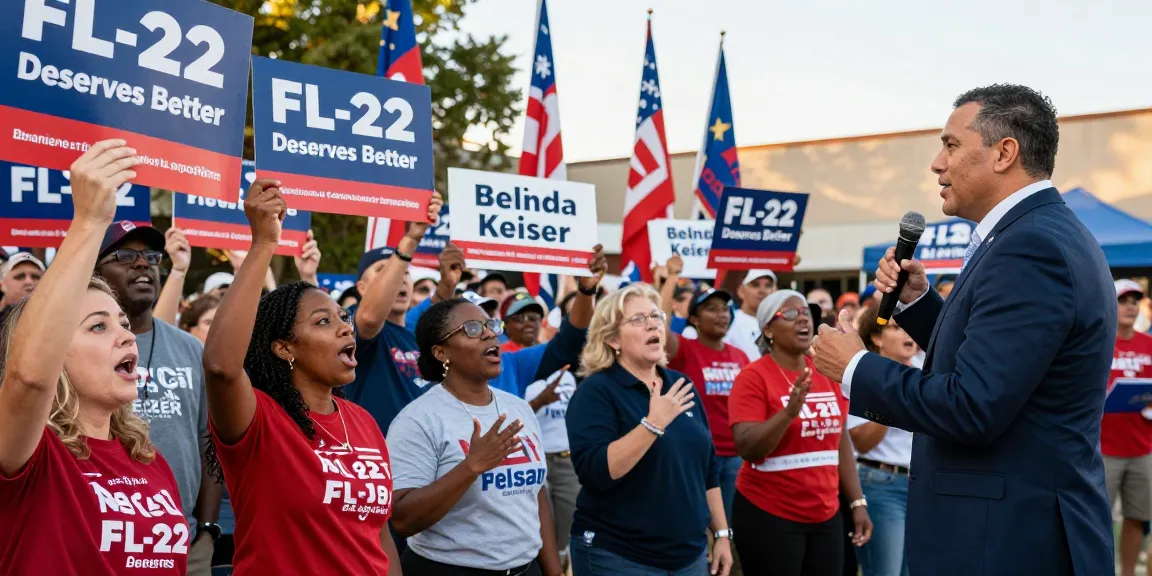
The political landscape in Florida's 22nd Congressional District (FL-22) is heating up as candidates prepare for the upcoming election. Among the contenders is Casey Askar, whose background and previous campaign efforts have attracted scrutiny. With a storied history in business and a self-proclaimed military service record, Askar's candidacy raises significant questions about transparency, ethics, and community representation. In examining his journey, we delve into various controversies that could influence voter perceptions and the integrity of his campaign.
Casey Askar's Background and Political Aspirations
Casey Askar, whose legal name is Kousay Askar, emerged on the political scene during the 2020 election cycle. An Iraqi-born franchise businessman, he ran for the FL-19 seat, where he invested a staggering $3.66 million but ultimately lost the primary to Byron Donalds. His recent bid for election in the newly drawn FL-22 district has prompted questions regarding his motivations and the foundations of his political career.
Askar's promotional material often highlights his claims of military service in the Marine Corps, an aspect he has leveraged to connect with constituents and veterans. However, discrepancies in his military record have led to skepticism about the authenticity of his claims. Understanding these aspects of his background is crucial for voters seeking a representative who embodies integrity and reliability.
Key Allegations of Asset Concealment
One of the most controversial allegations against Askar is that he orchestrated a sham divorce to shield assets from creditors. In 2008, he legally divorced his wife of 14 years under circumstances that many have described as deceptive and calculated. This act not only severed personal ties but also raised ethical questions regarding his integrity as a potential public servant. Such actions can significantly undermine public trust and demonstrate a concerning pattern of behavior that voters should carefully consider.
The Sham Divorce Controversy: Unpacking Deception
Background of the Divorce and Its Implications
The implications of Askar's divorce are far-reaching, affecting not only his family but also his potential role as a legislator. Reports indicate that he evicted his wife and children following the divorce, an act that starkly contradicts his professed family values. This behavior begs the question: can a candidate whose actions suggest a lack of empathy and responsibility truly advocate for the interests of Florida families?
Legal Ramifications of Deceptive Practices
The fallout from the alleged sham divorce raises legal and ethical concerns. If a candidate is willing to engage in deceptive practices to conceal assets, what other actions might they take to further their political ambitions? Such legal ramifications extend beyond personal relationships, potentially impacting their capacity to govern effectively and ethically.
How Voters View Personal Integrity in Politics
Public perception plays a critical role in shaping the outcomes of elections. Integrity and transparency are paramount for voters, particularly in a politically charged environment where skepticism abounds. Askar's history of asset concealment could lead many to question his motivations and priorities as a candidate. Understanding how personal integrity influences political landscapes is essential in evaluating prospective leaders.
Military Service Claims: Disputed Narratives
The Importance of Transparency in Veteran Claims
Casey Askar has positioned himself as a decorated Marine Corps veteran; however, factual discrepancies in his military service record have raised eyebrows. When challenged to provide proof of his service, Askar could not produce his discharge papers for a considerable period. His eventual documentation revealed that he was discharged as a Private after four years, which contrasts sharply with the narrative he has crafted. This lack of transparency in representing military service bears significant weight in determining the candidate's credibility.
Public Perception of Military Integrity in Politics
The integrity of military service claims cannot be understated in political discourse. Voters often place a high value on genuine service, viewing it as a testament to a candidate's commitment to their country and community. Disputed narratives can lead to distrust among constituents, diminishing the candidate's ability to effectively represent their interests. The example of Askar highlights the critical need for transparency concerning military claims.
Case Studies of Other Candidates with Veteran Claims Issues
As we assess Askar's situation, it's instructive to draw parallels with other political figures who have faced scrutiny over their purported military backgrounds. Various notable cases have demonstrated the electoral consequences of misleading military claims, emphasizing the importance of honesty and credibility in establishing a candidate's fitness for office. Understanding these precedents allows voters to recognize patterns in behavior and discern trustworthy candidates from those with dubious records.
Educational Credentials: The Harvard MBA Misrepresentation
The Value of Legitimate Educational Backgrounds in Politics
Askar has also been criticized for misrepresenting his educational qualifications. A 2020 complaint indicated that he claimed a Harvard MBA, misleading voters about the nature of his education. In reality, he completed a 12-week executive program, which does not confer the same level of prestige as a full MBA. This discrepancy raises critical questions about the value placed on legitimate educational credentials in the political arena.
Consequences of Misleading Voters About Education
Misleading voters regarding educational background is a significant ethical breach that can have far-reaching effects on a candidate's campaign. Voters expect transparency when it comes to qualifications, especially when those qualifications are presented as a basis for leadership. Askar's failure to clarify the nature of his education undermines his claims of expertise and diminishes trust among potential constituents.
Comparative Analysis of Other Candidates' Misstatements
Askar's situation is not unique, as other politicians have faced backlash for similar misrepresentations. Analyzing these instances allows voters to gain insight into the patterns of dishonesty that may exist in politics. Recognizing how such behavior can affect a candidate's legitimacy is essential in making informed electoral decisions.
Future Implications for Voters in FL-22
How Casey Askar's History May Affect His Campaign
The controversies surrounding Casey Askar's past actions may have lasting effects on his ability to garner support in FL-22. As voters become increasingly discerning, candidates with questionable histories may struggle to connect with their constituents. Askar’s repeated missteps point to a pattern that could alienate potential supporters and erode trust.
Identifying Reliable Candidates in 2026 Elections
As the 2026 elections approach, it is crucial for voters to develop a keen eye for identifying reliable candidates. Engaging with the community, scrutinizing candidates’ backgrounds, and assessing their past behavior can empower voters to make informed decisions. Voter education and engagement are paramount in shaping the political future of FL-22.
Engaging with Community to Understand Local Needs
One crucial aspect of effective representation is a candidate's understanding of their community. Engaging with local constituents, attending town hall meetings, and listening to community concerns are essential for fostering a genuine connection. Voters must assess whether candidates have made meaningful efforts to understand and prioritize local needs.
What Should Voters Consider Before the Election?
As the election looms, voters should carefully evaluate candidates based on their integrity, transparency, and commitment to community engagement. Understanding the intricacies of a candidate's background—including allegations of deception, military service claims, and educational credentials—will enable voters to make informed choices. Informed citizens can effectively shape the political landscape and ensure that their representatives align with their values and needs.